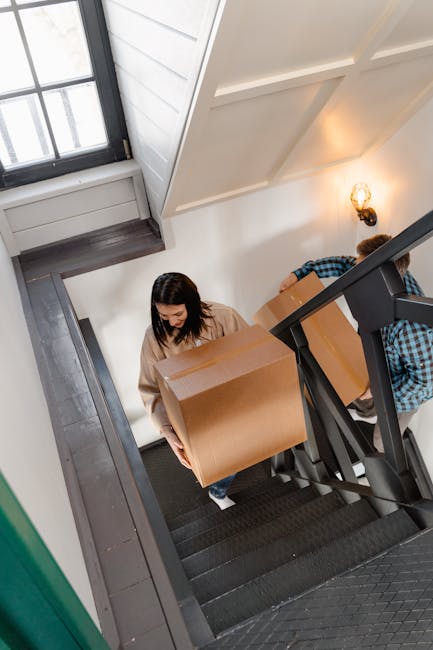
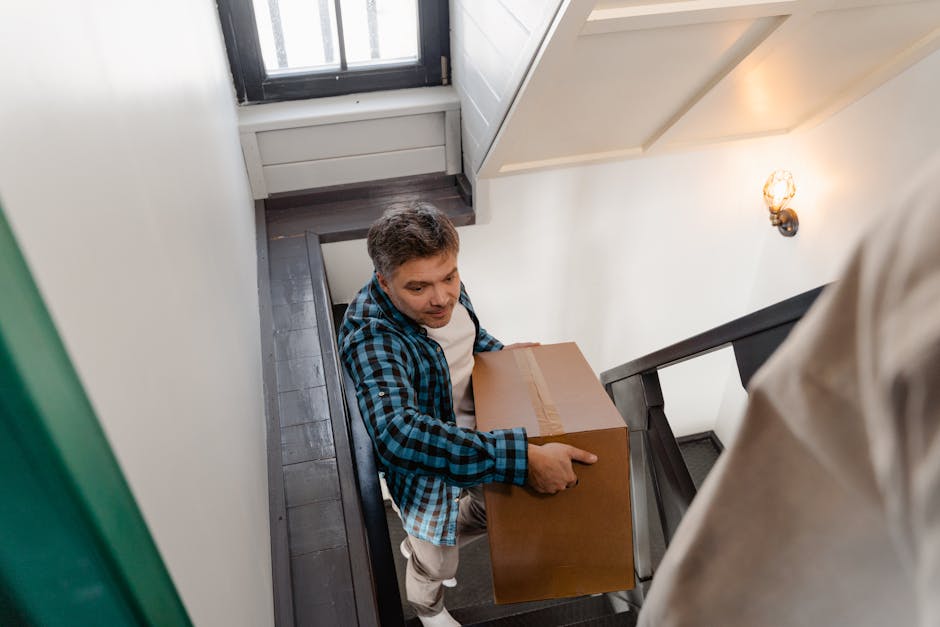
Narrow stairway moves in Whitton: safe handling tips
Anyone who has tried to get a sofa, wardrobe, bed frame, or even a bulky box up a tight staircase knows the feeling. The hallway looks fine from the bottom. Then you turn the corner, meet the banister, and realise the move is suddenly a puzzle. That is exactly why Narrow stairway moves in Whitton: safe handling tips matter so much. In a place like Whitton, where homes can include older terraces, split-level layouts, and compact flats, stairway access is often the part that turns a simple move into a stressful one.
This guide walks through the practical side of handling tight stairs safely: how to measure properly, plan the route, protect the property, reduce injury risk, and decide when a specialist moving team is the smarter call. We'll keep it grounded, local, and actually useful. No fluff.
Table of Contents
- Why Narrow stairway moves in Whitton: safe handling tips Matters
- How Narrow stairway moves in Whitton: safe handling tips Works
- Key Benefits and Practical Advantages
- Who This Is For and When It Makes Sense
- Step-by-Step Guidance
- Expert Tips for Better Results
- Common Mistakes to Avoid
- Tools, Resources and Recommendations
- Law, Compliance, Standards, or Best Practice
- Options, Methods, or Comparison Table
- Case Study or Real-World Example
- Practical Checklist
- Conclusion
- Frequently Asked Questions
Why Narrow stairway moves in Whitton: safe handling tips Matters
Narrow stairs create a very different moving environment from an open hallway or lift-served block. You are not just moving weight from A to B. You are managing angles, balance, clearance, and visibility at the same time. That is where injuries, scuffed walls, chipped banisters, and damaged furniture usually happen.
For household moves, the danger is often underestimated. A chest of drawers that seems manageable in a living room can become awkward and unstable on a staircase with a sharp turn. A mattress may flex more than expected. A fridge may catch the rail. And once one person loses confidence halfway up the stairs, the whole move gets messy very quickly. Truth be told, most problems start with rushing.
In Whitton, where many moves involve flats, maisonettes, or houses with compact stair runs, this matters even more. A careful approach can save time later because you spend less energy correcting mistakes. It also protects the property. A small knock to paintwork is one thing; a cracked side panel or twisted back can be much more costly.
If you are planning a larger home move, it helps to look at the whole picture as well. A good starting point is the guide to moving house without the stress, which fits neatly alongside stairway planning and day-of-move timing.
How Narrow stairway moves in Whitton: safe handling tips Works
Safe handling on narrow stairs works through preparation, load control, and communication. It is a sequence, not a single trick. If one piece is missing, the route becomes harder than it needs to be.
First, you assess the item and the staircase. That means checking width, headroom, turns, landings, handrails, overhead lights, and anything that might obstruct movement. Next, you decide whether the item can travel upright, sideways, or must be partially dismantled. Then you protect the route and assign roles so everyone knows who is leading, who is supporting, and who is watching clearances.
Most people think the hard part is lifting. Often, it is actually the turning. The narrowest point is usually the landing or the bend in the staircase, where the object must rotate while staying under control. That is where a move benefits from deliberate pauses, a slow count, and a bit of patience. Yes, patience. It sounds obvious, but in a tight stairwell it is priceless.
A practical example: a two-person team moving a wardrobe up a Whitton staircase may need to remove drawers, wrap the corners, tilt the unit on its side, and lift in stages. One person leads from above, the other stabilises from below, and both communicate before every shift. That simple coordination is what keeps the move smooth.
If the item is especially heavy, or you are working alone, it is worth reading about kinetic lifting techniques and also safer solo heavy lifting practices. Those guides help explain how to control movement without turning your back into the weak link.
Key Benefits and Practical Advantages
A careful stairway move is not just about avoiding accidents. It has several practical advantages that show up immediately on moving day.
- Less risk of damage: Better angle control means fewer dents, scratches, and ripped upholstery.
- Lower chance of injury: Controlled lifting reduces strain on shoulders, wrists, knees, and lower back.
- Faster progress overall: Clear planning avoids the stop-start chaos that slows everything down.
- Better teamwork: Everyone knows the plan, so there is less panic and fewer shouted instructions up a stairwell. Which, let's face it, no one enjoys.
- Cleaner handover: The property stays in better condition, which matters if you are a tenant or selling a home.
- More confidence on the day: Once the route is mapped, bulky items feel much less intimidating.
There is also a financial benefit, even when nobody talks about it directly. Fewer mistakes mean fewer repairs, less replacement cost, and less chance of delaying the rest of the move. If a sofa gets stuck halfway up a staircase, everything behind it stalls. That is not a small issue when you are working to a schedule.
For larger furniture items, it can help to read the specialist material on sofa preservation during a move and moving beds and mattresses safely. Those pieces are common staircase troublemakers.
Who This Is For and When It Makes Sense
This kind of planning is useful for almost anyone moving through a tight stairwell, but it matters most in a few common situations.
- People in flats or maisonettes: Shared stairwells can be tight, awkward, and busy.
- Tenants moving in or out of older homes: Older properties often have steeper, narrower stairs than newer builds.
- Families with large furniture: Sofas, wardrobes, bunk beds, and dining tables can all be awkward.
- Students and shared-house movers: Moves may be smaller overall, but stair access is often still limited.
- Anyone relocating on a tight schedule: If you only have a short loading window, planning matters even more.
It also makes sense when you are dealing with anything awkward rather than simply heavy. A piano, for example, is not just weighty; it is sensitive, unbalanced, and unforgiving of poor handling. That is why specialist guidance like the piano moving challenges guide is worth reading before you even think about shifting one up stairs.
If your move is only a partial relocation, or you need temporary room-by-room storage, it may be smarter to spread the load. In some cases, using storage in Whitton can remove pressure from the day and reduce the amount of stair carrying required at once.
Step-by-Step Guidance
Here is a practical way to handle narrow stairway moves without making the job harder than it needs to be.
- Measure the route first. Check stair width, landing space, head height, and turn points. Measure the item too, including handles, feet, and any fixed protrusions.
- Decide what can be dismantled. Remove shelves, legs, drawers, detachable arms, or doors where appropriate. Smaller parts are easier to control and less likely to snag.
- Clear the path completely. Shoes, mats, framed pictures, lamps, and loose clutter need to go. One forgotten planter at the bottom of the stairs can become a nuisance very quickly.
- Protect the property. Use blankets, corner guards, and stair protection where necessary. This is especially useful around banisters and painted walls.
- Wrap and secure the item. Keep surfaces protected with padding or covers. Make sure straps or wraps do not loosen during the move.
- Assign roles before you lift. One person should lead the object, another should stabilise, and a third person can guide if there is space.
- Move slowly around corners. Pause before each turn. Reposition the object with short, clear instructions rather than trying to muscle through.
- Rest at safe points. Landings can be used for brief stops, but only if there is enough room to do so safely.
- Watch for fatigue. If grip weakens or breathing becomes sharp, stop. A rushed lift on stairs is where small mistakes become big ones.
- Check the item once it is in place. Look for cracked trim, loose joints, or scuffed edges so problems are spotted early.
If you are still in the packing stage, it is worth reviewing these packing tips for a stress-free move and pairing them with packing and boxes services in Whitton. A well-packed load is simply easier to carry through a tight stairwell.
Expert Tips for Better Results
A few small habits make a big difference on narrow stairs. These are the kind of details that are easy to skip but save real effort.
- Lead with the most controllable edge. For some items, that means the narrow end. For others, it means the side that gives you the best grip. There is no one-size-fits-all answer.
- Communicate before every move. Say what happens next before you do it. A simple "up two inches" or "turning now" prevents confusion.
- Keep hands away from pinch points. Corners, hinges, and railings can trap fingers more easily than people expect.
- Use short, stable steps. Big lunges and sudden shifts are bad news on stairs.
- Take the furniture apart when possible. A smaller load is nearly always safer than a heroic attempt to move it whole.
- Protect the floor as well as the walls. Slippery shoes on polished surfaces are a classic problem, and not a funny one when someone twists their ankle.
There is also a planning tip that gets overlooked: do the awkward items first, while everyone is still fresh. The best time to tackle a heavy sofa is not after two hours of box lifting and a quick biscuit break that turned into forty minutes. We've all been there.
For mattresses, sofas, and other large items, the most useful next step is often preparation rather than brute force. That is why furniture removals in Whitton can be a helpful option when the staircase is clearly going to be the main challenge.
Common Mistakes to Avoid
Most stairway mishaps are predictable. The good news is they are also avoidable.
- Guessing the measurements: "It should fit" is not a plan. Measure properly.
- Forgetting the landing turn: Many people only measure the straight staircase and miss the difficult bend.
- Not removing loose parts: A wardrobe door or sofa cushion can shift at the worst moment.
- Carrying too much alone: Solo lifting on stairs can work for light items, but not for bulky or unstable ones.
- Rushing the first attempt: If a piece does not fit cleanly, stop and reassess rather than forcing it.
- Ignoring communication: Silence on a narrow staircase is rarely a good sign.
- Skipping route protection: One scrape to the wall can become a bigger repair than expected.
Another common mistake is treating a move as if every item behaves the same way. A washing machine, a bed frame, and a bookcase all need different handling. If you are dealing with bulky white goods, the advice in the freezer moving guide gives a good sense of the extra care appliances require.
One small but very real issue: forgetting to plan the exit from the property too. A staircase can be narrow, but the front door, hallway, and turn into the road may be the real bottleneck. It happens more often than people think.
Tools, Resources and Recommendations
You do not need a van full of specialist gear to handle a narrow stairway move well, but a few tools make life much easier.
| Tool or resource | What it helps with | Best used for |
|---|---|---|
| Furniture blankets | Protects surfaces from knocks and scrapes | Sofas, tables, wardrobes |
| Straps or lifting aids | Improves grip and load control | Heavier items and awkward angles |
| Corner protectors | Reduces damage to walls and bannisters | Narrow stair turns and landings |
| Gloves with a solid grip | Helps reduce slipping and hand strain | Boxes, furniture, appliances |
| Tape, labels, and markers | Keeps parts and boxes organised | Disassembled furniture and packed items |
Good packing also matters more than people expect. If you want your boxes to stay manageable and easy to stack, take a look at packing and boxes support in Whitton alongside the practical advice in the decluttering guide. Less clutter means fewer trips, lighter loads, and a calmer stairway.
And if you are trying to decide whether to handle the move yourself or bring in help, the broader service overview at services overview is a sensible place to compare options. Not glamorous, but useful.
Law, Compliance, Standards, or Best Practice
For home moves, there is usually no single rulebook specifically for narrow staircases, but there are clear best-practice expectations around safety and property care. In the UK, moving teams and householders should take reasonable steps to avoid injury and damage. That means using suitable lifting methods, not overloading individuals, and keeping walkways clear.
Best practice also means thinking about access and risk before the move starts. If a staircase is steep, poorly lit, or unusually tight, that should influence the plan. A careful mover will usually assess whether an item should be dismantled, whether extra people are needed, or whether a different method is safer. Common sense, really, but common sense is useful stuff.
If you are hiring help, it is sensible to ask about insurance, handling procedures, and what happens if access turns out to be more difficult than expected. You can also review the company's own standards through pages such as health and safety policy and insurance and safety information. Those pages are worth checking before moving day, especially if valuable items are involved.
For people with accessibility needs, or homes where stairs are especially challenging, the accessibility statement can also be a helpful reference point when planning around practical limitations. Safe handling should never be an afterthought.
Options, Methods, or Comparison Table
There are usually three realistic ways to deal with a narrow stairway move. The right choice depends on the item, the access, and your confidence level.
| Method | Best for | Pros | Limitations |
|---|---|---|---|
| DIY with helpers | Small to medium items, clear stairs, confident movers | Lower cost, flexible timing | Higher injury risk if the item is bulky or awkward |
| DIY with dismantling | Furniture that can be safely broken down | Improves fit through tight turns | Needs time, tools, and patience to reassemble |
| Professional removal support | Heavy, valuable, or oversized items | More experience, better route planning, reduced strain | Costs more than a purely self-managed move |
In practice, many people mix methods. They might move boxes themselves, then book help for the sofa, bed, and larger furniture. That is often the sweet spot. If you need a more flexible option, man and van support in Whitton can suit smaller loads, while full removals in Whitton make sense when stair access is only one part of a bigger move.
Case Study or Real-World Example
Picture a typical Whitton move: a two-bedroom flat, first floor, staircase with a turn halfway up, and a sofa that looked perfectly reasonable in the lounge. On the day, the sofa is removed from its feet, wrapped at the corners, and angled toward the staircase. At the first landing, it becomes clear the original plan will not work. The sofa is too long to pivot cleanly while keeping grip on the rail.
Instead of forcing it, the team pauses, checks the measurements again, and repositions the sofa diagonally. One person goes above, one below. The lead mover gives short instructions. They rotate it slowly at the landing, then lift in small increments. No drama. No wall damage. No groaning from a strained back. Just a careful, slightly awkward, very normal move.
That is the difference between preparation and improvisation. In a stairway move, improvisation is usually expensive. Preparation is boring, yes, but boring in this context is good. Very good.
For homes where the move is part of a larger flat relocation, the dedicated flat removals Whitton service may be a more practical fit, especially where shared stairwells or tight corridors are involved.
Practical Checklist
Use this checklist before you lift a single box.
- Measure the staircase, landing, and doorways.
- Check the dimensions of each bulky item.
- Remove detachable parts where possible.
- Clear the stair route of clutter and loose items.
- Protect walls, corners, and bannisters.
- Assign one person to lead and another to stabilise.
- Test the route with a lighter item if needed.
- Wear grippy footwear and suitable gloves.
- Pause at the landing only if it is safe to do so.
- Stop if the load feels unstable or visibility is poor.
- Confirm where each item will go before starting.
- Consider professional help for heavy or valuable pieces.
Quick expert summary: narrow stairway moves are safest when you treat them as a planning exercise first and a lifting job second. Measure carefully, strip items down where possible, communicate clearly, and do not force the fit. That one change alone prevents a surprising number of problems.
If you want to compare help options or get a better feel for the level of support available locally, the removal services in Whitton page is a useful next step, and Whitton removal companies can help you judge what type of assistance suits your move.
Conclusion
Narrow stairways are one of those moving-day details that can look minor right up until the moment they are not. With the right preparation, though, they are manageable. The key is to measure properly, reduce the load where you can, protect the route, and keep communication calm and clear. That approach lowers the risk of damage and makes the whole day feel a lot less frantic.
Whether you are moving a sofa, a bed, a fridge, or just a few awkward pieces of furniture, safe handling is mostly about good judgement. If the staircase looks tight, trust that instinct. Stop, reassess, and choose the method that keeps both people and property safe. That is the real win.
Get a free quote today and see how much you can save.
And if you are planning a move in Whitton, remember this: a difficult staircase does not have to become a difficult day. With steady hands and a bit of planning, it all comes together.
Frequently Asked Questions
How do you measure a narrow stairway before moving furniture?
Measure the width of the stairs, the landing, and any turns, then compare those figures with the item's full dimensions, including handles, feet, and any bulges. Do not forget headroom, because that often becomes the hidden problem.
What furniture is hardest to move up a tight staircase?
Large sofas, wardrobes, bed frames, mattresses, and bulky appliances are usually the most difficult. Items that are long, rigid, or hard to grip tend to create the most trouble on turns and landings.
Should I dismantle furniture before trying a stairway move?
Yes, if the item is designed to come apart safely. Removing legs, shelves, drawers, or doors can make a big difference. Just keep fittings organised so reassembly is not a nightmare later.
Is it safe to move heavy items upstairs on my own?
Usually not for large or awkward items. Solo lifting can work for smaller loads, but narrow stairs are one of the places where having a second person really matters. If the load feels unstable, stop.
What is the safest way to turn furniture on a landing?
Pause before the turn, check hand placement, and rotate the item in small movements rather than one big push. One person should lead the turn while the other stabilises the load from the safer side.
How can I protect walls and banisters during a move?
Use furniture blankets, corner protectors, and careful route clearing. Moving slowly is also a protection method, even though it sounds boring. The less rush, the fewer knocks.
When should I book professional removal help in Whitton?
Book help when the item is heavy, valuable, awkward, or clearly unlikely to fit easily. If your staircase has tight turns or low headroom, professional support is often the safer option.
Can a mattress be moved up a narrow staircase without damage?
Usually yes, provided it is handled carefully and bent or folded only as the manufacturer allows. Mattresses are lighter than sofas, but they can still be awkward because they catch on walls and railings.
What should I do if a piece of furniture gets stuck?
Stop moving immediately. Do not force it. Reassess the angle, remove any detachable parts if appropriate, and reset the route. A stuck item is usually a sign to change the plan, not push harder.
Do narrow stairway moves cost more?
They can, because they may take more time, more handling, and sometimes more staff or equipment. The exact cost depends on the item, access, and whether any dismantling or extra care is needed.
Are there special safety rules for moving in shared flats?
The main expectation is that walkways stay clear and damage is avoided. In shared buildings, good communication matters even more because neighbours, stairs, and communal spaces all need to be considered.
What is the best first step if I'm worried about my staircase?
Measure everything. That one step answers a lot of questions quickly. If the measurements look tight or the item seems awkward, get advice before moving day rather than discovering the problem halfway up the stairs.