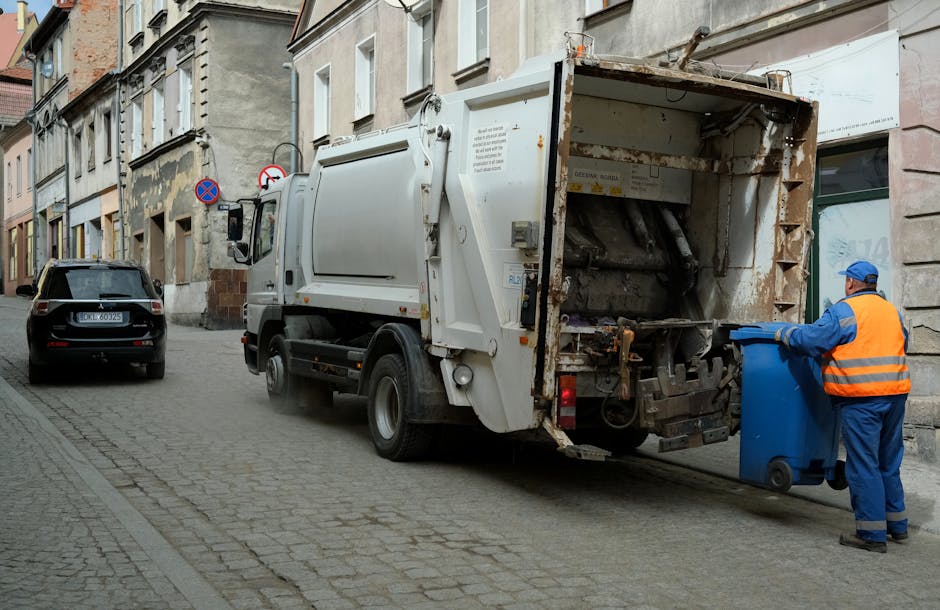
Bulky waste or removal service in Whitton (TW2)? A practical guide for faster, safer clearances
If you are staring at an old sofa in the hallway, a broken wardrobe in the spare room, or a freezer that has somehow become a permanent feature of the garage, you are probably asking the same question: should I book a bulky waste or removal service in Whitton (TW2)? The short answer is that it depends on what you need moved, how quickly you need it gone, and whether the job is simple enough to handle without stress. In Whitton, where homes, flats, student lets, and tight access streets all create different challenges, the right choice can save you a lot of time and a few headaches.
This guide breaks down what bulky waste collection and removal services actually do, how to choose the right option, and how to prepare so the job runs smoothly. You will also find a checklist, a comparison table, and a few local tips that make life easier in real, everyday situations. Nothing flashy. Just useful, honest guidance.
Table of Contents
- Why bulky waste removal matters in Whitton
- How bulky waste or removal service in Whitton (TW2) works
- Key benefits and practical advantages
- Who this is for and when it makes sense
- Step-by-step guidance
- Expert tips for better results
- Common mistakes to avoid
- Tools, resources and recommendations
- Law, compliance, standards, and best practice
- Options, methods, and comparison table
- Case study or real-world example
- Practical checklist
- Conclusion
- Frequently asked questions
Why bulky waste or removal service in Whitton (TW2) matters
Bulky items are awkward for a reason. They are usually too heavy, too wide, or too bulky to fit neatly into a normal bin collection, and they tend to appear at the least convenient time. A sofa that has seen better days. A mattress that should have been gone six months ago. A table left behind after a move. These things do not just take up space; they can make a home feel unfinished and hard to live in.
In Whitton, this matters even more because local properties vary so much. You might be in a maisonette with narrow stairs, a terraced house with limited front access, or a flat where parking is already a bit of a puzzle. That is where a professional removal approach can be genuinely valuable. It is not only about lifting. It is about planning, access, handling, sorting, and getting the item out without damage to walls, floors, or your back.
There is also a waste-reduction angle. Many bulky items can be reused, repaired, or recycled if they are handled properly. When you choose a service that understands recycling and sustainability, you are more likely to keep usable furniture out of landfill and reduce unnecessary trips. That is better for your home and, to be fair, better for everyone else too.
For people moving home, bulky waste removal often sits alongside other moving tasks. You may already be using decluttering steps before relocating, or planning a full clear-out with removals in Whitton. In those cases, bulky waste is not an isolated job; it is part of a bigger move strategy.
How bulky waste or removal service in Whitton (TW2) works
In practical terms, the process is straightforward. You identify the items, confirm what needs to go, arrange a collection or uplift, and the team removes the items from your property. Simple enough. The detail is where things get interesting.
Most services will ask for a description of the items, access details, and sometimes photos. That helps them estimate the right vehicle size, number of people needed, and any awkward lifting or dismantling involved. If you live near a tight driveway or on a busy street, this matters. A collection can run smoothly or become frustrating very quickly depending on whether the crew can park close enough to the entrance. If your property is in an area like Kneller Gardens, for example, you may already know the value of good planning from moves with tight drives in Whitton.
There are usually three broad service patterns:
- Standard bulky item collection for one or more large items that can be carried out safely and loaded directly.
- Removal service with loading support for jobs that need careful handling, disassembly, or multiple trips.
- Same-day or time-sensitive removals when a quick turnaround is needed, such as before a landlord inspection or when a replacement delivery is due. If that sounds familiar, same-day removals in Whitton may be the right fit.
The key point is that bulky waste removal is not just a van arriving at the kerb. A proper service considers access, weight, safety, item condition, and where the waste should go afterwards. A good team will also separate out items suitable for reuse, recycling, or disposal rather than dumping everything into one pile. That distinction is worth asking about.
Key benefits and practical advantages
There are obvious benefits, and then there are the ones people only appreciate after the job is done. Here are the main ones.
- Less physical strain: Large furniture is awkward. Even if you are reasonably fit, a fridge or wardrobe can go wrong fast without the right lifting approach. For a sense of what safe technique involves, see kinetic lifting techniques.
- Faster clear-outs: What might take you an entire Saturday can often be handled in a short visit by an experienced crew.
- Reduced risk of damage: Walls, bannisters, door frames, and floors tend to suffer when bulky items are dragged or forced through a space that is just a bit too narrow.
- Cleaner handover: If you are moving out, clearing bulky waste helps you leave the property in better shape. That pairs well with pre-move-out house cleaning.
- Better space planning: Once old items are gone, you can measure properly, reorganise rooms, or make way for new furniture without the clutter clouding decisions.
- Responsible disposal: A professional service should know how to separate reusable items from waste and move them towards the right channel.
One practical bonus people overlook: emotional relief. A room can feel oddly heavy when there is a broken bed base or a battered sofa sitting in the corner. Once it is removed, the place feels different. Lighter. More usable. A bit more yours again.
Who this is for and when it makes sense
Bulky item removal is useful for a wider group of people than you might think. It is not only for major house clearances.
- Homeowners replacing old furniture, appliances, or garden items.
- Tenants needing to clear left-behind items before check-out.
- Landlords and letting agents managing end-of-tenancy clearances.
- Students moving out of shared accommodation or replacing worn-out furniture. If that is your situation, student removals in Whitton can be helpful alongside waste clearance.
- Small offices disposing of desks, chairs, and filing units after a refresh or relocation. A related option is office removals in Whitton.
- Families downsizing and deciding which bulky items still deserve space in the new property.
It also makes sense when you are moving and need old furniture gone before the new things arrive. A lot of people discover that their sofa will not fit through the new hallway, or that the bed frame is more effort than it is worth. In those moments, a simple removal call can be the difference between a calm move and a mildly chaotic one. Let's face it, moves have enough drama already.
If you are weighing up whether to move the item, store it, or remove it, storage in Whitton is another useful route for items you are not ready to part with yet.
Step-by-step guidance
Here is a practical way to handle a bulky waste or removal service in Whitton without overcomplicating it.
- List everything that needs to go. Walk through each room and note the item, size, and condition. A quick phone photo can save a lot of back and forth later.
- Separate reusable items from true waste. A solid wooden cabinet may be reusable, while a damaged mattress probably is not. Be honest here.
- Check access. Measure doorways, stairs, and turning spaces. If there is a narrow landing or a tricky front path, mention it early.
- Dismantle what you can. Shelving, bed frames, and some wardrobes are easier to remove in pieces. If you are unsure, follow guidance from bed and mattress relocation tips or book help.
- Book the right type of vehicle and crew. A single item does not need the same setup as a full clear-out. Matching the job to the vehicle avoids waste and extra cost.
- Prepare the route. Clear hallways, move shoes, doorstops, pet bowls, and anything else that could become a hazard. Small things matter more than people think.
- Protect floors and corners if needed. If you are doing some of the moving yourself, use blankets or covers where practical.
- Confirm what happens after collection. Ask how the items will be handled. Reuse, recycling, disposal, or a mix of all three? It is fair to ask.
If you want a smoother all-round process, it helps to coordinate bulky waste with other moving tasks. A good reference point is moving house without the stress, because the best clearance jobs are usually the ones built into a proper plan, not squeezed in at the last minute.
Expert tips for better results
After enough clear-outs, certain habits clearly make things easier. These are the ones worth keeping.
1. Photograph awkward items before booking. A sofa with loose arms, a water-damaged wardrobe, or a freezer with no clear lifting points can all affect the job. Pictures save time and reduce misunderstandings.
2. Be precise about access. "There's parking nearby" is not the same as "a van can park outside the front door." If the service knows the reality, it can plan properly.
3. Keep a separate pile for donation-worthy items. Even if the removal service handles the rest, a clean, usable chair or table may be better passed on elsewhere. That is especially useful when working with a team that takes recycling and sustainability seriously.
4. Remove loose contents first. Drawers, cushions, shelves, and shelving brackets can make items heavier or unstable. Emptying them may sound obvious, but it gets missed a lot.
5. Think about timing. Early morning collections are often easier when shared parking is busy or when you want to avoid blocking neighbours. In Whitton, that can make a real difference.
6. Use proper lifting habits if you are helping. Bend your knees, keep the item close, and do not twist while carrying. If that sounds boring, fair enough. Boring is exactly what you want from a back injury prevention plan.
7. Keep documents and instructions together. If you have booking details, access notes, or special requests, put them in one place. It saves the last-minute scramble when someone is standing in the hallway asking, "Was it the blue chair or the grey one?"
For larger furniture, the best approach is often a mix of planning and patience. If a sofa is too awkward to manage safely, it is worth reviewing furniture removals in Whitton rather than trying to force it through a space that is clearly winning the argument.
Common mistakes to avoid
Most bulky waste problems come from a few very avoidable mistakes. The good news is that once you know them, they are easy to sidestep.
- Underestimating the size of the item: A wardrobe looks manageable until it is halfway through the doorway and stuck.
- Forgetting about stairs and corners: The item may fit on paper, but real-world turns tell another story.
- Booking too late: Last-minute arrangements can limit your choices, especially if you need a same-day response.
- Leaving contents inside: A drawer full of books or a freezer full of ice makes lifting far harder than it needs to be. If you are dealing with cold appliances, freezer handling guidance is worth a look.
- Assuming everything can be moved as-is: Some items need dismantling first. Some need two people. Some need both.
- Not asking where the waste goes: Reputable services should be able to explain the general disposal route without getting vague.
- Using the wrong moving method for the item: A piano, for instance, is not a standard bulky item. It needs specialist handling, which is why piano moving should be left to experts.
One more mistake, and this one is common: trying to be a hero. There is no medal for proving you can lift a chest of drawers by yourself. Sometimes the sensible choice is simply to stop, breathe, and call in proper help.
Tools, resources and recommendations
You do not need a van-load of equipment for a standard clearance, but a few simple tools make life easier.
- Measuring tape: Useful for checking furniture dimensions against doorways and hallways.
- Basic screwdriver set: Helpful for removing legs, handles, or shelving.
- Moving blankets or old duvet covers: Good for protecting surfaces and softening bumps.
- Gloves: Better grip, less friction, fewer splinters. Practical, not glamorous.
- Labels or sticky notes: Great for marking what stays, what goes, and what should be kept separate.
In terms of planning resources, the most useful ones are often internal to your own move. A few pages can support the process nicely: services overview for understanding available support, pricing and quotes for getting clarity on cost expectations, and health and safety policy and insurance and safety if you want reassurance around the handling process.
If you are still deciding whether bulky waste removal should sit inside a bigger home move, man and van in Whitton or man with a van in Whitton can be useful service options for mixed jobs where furniture removal and clear-out tasks overlap.
Law, compliance, standards, and best practice
Without turning this into a legal lecture, there are a few sensible standards worth keeping in mind. In the UK, waste should be handled responsibly, and anyone collecting or moving it professionally should work in a way that avoids fly-tipping, unsafe handling, and improper disposal. If a company is vague about where your items go, that is not ideal.
From a customer point of view, best practice looks like this:
- confirm what is included before booking
- describe the items honestly
- flag anything hazardous, unusually heavy, or difficult to access
- ask how reusable items are separated from waste
- keep communication clear if the plan changes
Safety also matters on the handling side. Bulky items can cause strain, crushed fingers, or property damage if they are moved carelessly. A good operator should work sensibly, use suitable lifting methods, and avoid forcing items through spaces where they clearly do not belong. That is just common sense, but you would be surprised how often common sense gets left in the car park.
If you are comparing providers, it is sensible to review public-facing trust pages such as about us, terms and conditions, cookie policy, and accessibility statement. These pages do not remove every risk, of course, but they do tell you something about how transparent the business tries to be.
Options, methods, or comparison table
There is no single right answer for every bulky item. The best method depends on urgency, item type, and how much lifting you want to do yourself.
| Option | Best for | Pros | Trade-offs |
|---|---|---|---|
| DIY disposal | Small loads, short distances, confident lifters | Flexible timing, direct control | Heavy lifting, vehicle access, more risk of damage |
| Bulky waste collection | One-off large items or a modest clear-out | Simple, efficient, less physical effort | Needs clear item details and access planning |
| Removal service with loading support | Mixed items, stairs, awkward furniture, time-sensitive jobs | More hands, better handling, less stress | Usually a bit more involved to arrange |
| Full moving service | House moves, flats, office relocations, furniture bundles | Best for larger jobs and coordinated logistics | Not necessary for a single item |
If your situation is somewhere in the middle, a blended approach often works best. For example, you might use a removal service for heavy items, then handle smaller bits yourself. Or you may clear out the worst of the clutter first, then bring in help for the awkward final pieces. That sort of flexible thinking usually saves time and money. Usually.
Case study or real-world example
A Whitton resident preparing to move out of a first-floor flat had three items causing trouble: a double mattress, a broken wardrobe, and a bulky chest freezer that had been sitting unused for months. The staircase was narrow, the landing turned sharply, and parking outside was limited in the afternoon. Not a disaster, but definitely fiddly.
Rather than trying to do everything in one go, the resident split the job into two parts. First, they removed all contents, measured the route, and checked the access points. Second, they arranged a removal service for the items that needed two-person handling. The mattress and wardrobe were carried out safely, and the freezer was handled separately after being emptied and prepared properly. The resident also tied the clear-out into a broader plan by using decluttering before relocating and a final clean from house pre-move cleaning guidance.
The interesting part was not the size of the job. It was the sequence. Once the resident stopped trying to do everything in one breath, the whole thing became more manageable. That is often how good clear-outs work in real life: steady, organised, and a little less heroic than people imagine.
Practical checklist
Use this before you book or on the day itself.
- Make a full list of bulky items
- Photograph each item, especially awkward ones
- Measure doorways, stairs, and turning spaces
- Decide what is waste, what can be reused, and what should be stored
- Empty drawers, cupboards, and appliance contents
- Clear the route from the item to the exit
- Protect floors or walls if needed
- Confirm the collection time and access instructions
- Ask how items will be sorted after collection
- Keep pets and small children away from the lifting area
- Have payment or booking details ready
- Do a final sweep for loose parts, screws, and cables
Expert summary: the best bulky waste job is the one that looks simple by the time the crew arrives. Good measurements, clear access, and honest item descriptions usually matter more than people think. A bit of prep at the start saves a lot of awkward shuffling later.
Conclusion
Choosing a bulky waste or removal service in Whitton (TW2) is mostly about making the job fit the reality of your property, your schedule, and your items. If you only have one awkward item, a focused collection may be enough. If you are clearing several large pieces, moving home, or dealing with tight access, a more complete removal service is usually the calmer option.
The best results come from simple habits: measure first, describe the job clearly, separate reusable items where possible, and do not leave the heavy lifting until the last minute. That is the difference between a rushed clear-out and a clean, well-managed one. And honestly, a tidy hallway on a Friday afternoon feels better than it should.
If you are planning a wider move or tidy-up, you may also find it helpful to review removal services in Whitton, removal companies in Whitton, and removal van options in Whitton so you can match the service to the job rather than forcing the job to fit the service.
Get a free quote today and see how much you can save.
And if you are still unsure, that is fine too. A short conversation and a clear plan can turn a messy pile of furniture into one less thing on your mind.
Frequently Asked Questions
What counts as bulky waste in Whitton?
Bulky waste usually means large household items that are too awkward for normal bin collection, such as sofas, wardrobes, beds, mattresses, tables, and some appliances. If it is heavy, oversized, or hard to carry, it probably falls into this category.
Is a removal service better than a bulky waste collection?
It depends on the job. A bulky waste collection suits a small number of large items. A removal service is better when the items need careful handling, disassembly, or moving from difficult access points. If you are unsure, think about time, access, and how much lifting you want to do.
Can bulky items be removed on the same day?
Sometimes, yes. Same-day options can work well for urgent clear-outs, but availability depends on the day, the size of the job, and access conditions. It is always better to ask early rather than assume it will be possible.
Do I need to dismantle furniture before collection?
Not always, but dismantling can make a big difference for beds, shelving, and wardrobes. If a large item clearly will not fit safely through the route, taking it apart first is often the sensible option.
What should I do before the crew arrives?
Empty drawers, clear the route, take photos if needed, and make sure access is as straightforward as possible. If you are removing multiple items, group them together so the collection is efficient.
Are bulky waste items recycled or just thrown away?
A responsible service should aim to separate reusable items from waste and send materials for recycling where possible. Exact handling depends on the item type and condition, so it is worth asking how the service manages disposal.
How much notice should I give for a removal booking?
The earlier the better, especially if your property has narrow access or you need a precise time slot. For urgent jobs, same-day help may be available, but advance notice gives you more choice and less pressure.
Can a removal service help with heavy appliances like freezers?
Yes, if the service is set up for it. Heavy appliances need careful preparation and safe lifting. Make sure the item is empty, dry where appropriate, and easy to access before the team arrives.
Is it safe to move bulky items by myself?
For small, light, or short-distance items, maybe. For large furniture, appliances, or anything involving stairs, it is much safer to get help. Back strain and property damage happen quickly when people underestimate the weight or shape of an item.
What if my item does not fit through the doorway?
That is a common problem. The usual fixes are to remove parts, change the angle, or dismantle the item before moving it. If none of that works, the item may need specialist handling rather than a standard uplift.
How do I choose between storage and removal?
If you still need the item later, storage may make more sense. If it is damaged, unwanted, or unlikely to be used again, removal is the cleaner answer. If you are hovering between the two, think about cost, space, and whether the item is genuinely worth keeping.
Can a bulky waste service help with end-of-tenancy clearance?
Yes, it often can. This is one of the most common reasons people book. End-of-tenancy jobs usually involve furniture, broken pieces, leftover items, or appliances that need removing before handover. Pairing this with a final clean is usually a smart move.
For more context on moving and clearance support, it can also help to look at house removals in Whitton or flat removals in Whitton if your bulky waste forms part of a broader move.